fourfold Download fourfold on the App Store

Wigglegram app for iPhone and iPad Four lenses. One loop. No flicker.

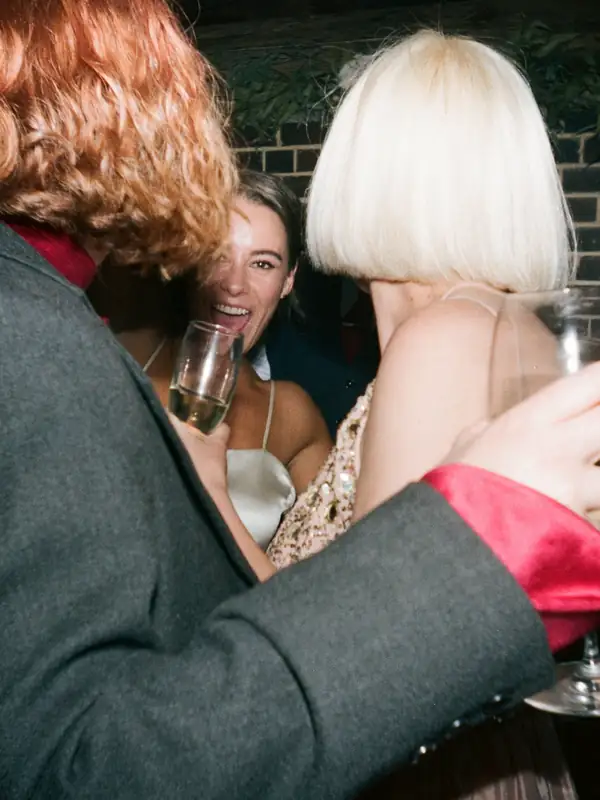
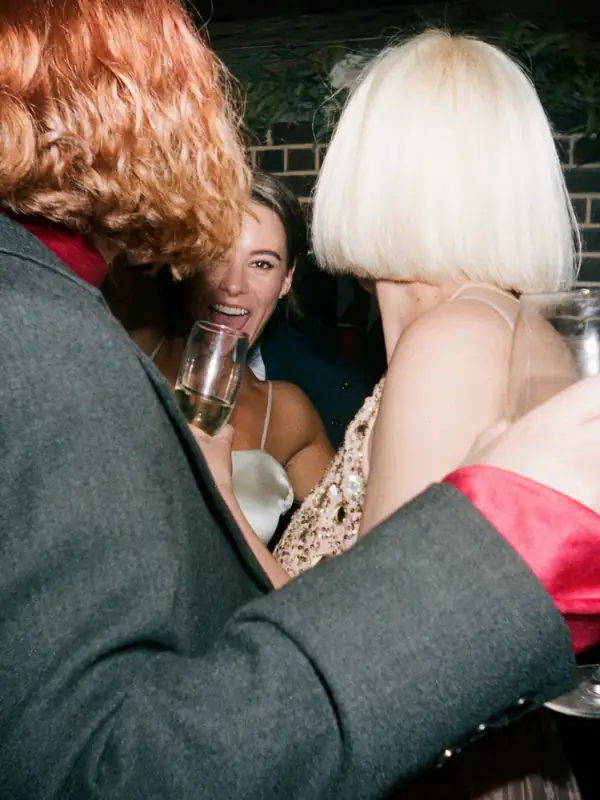
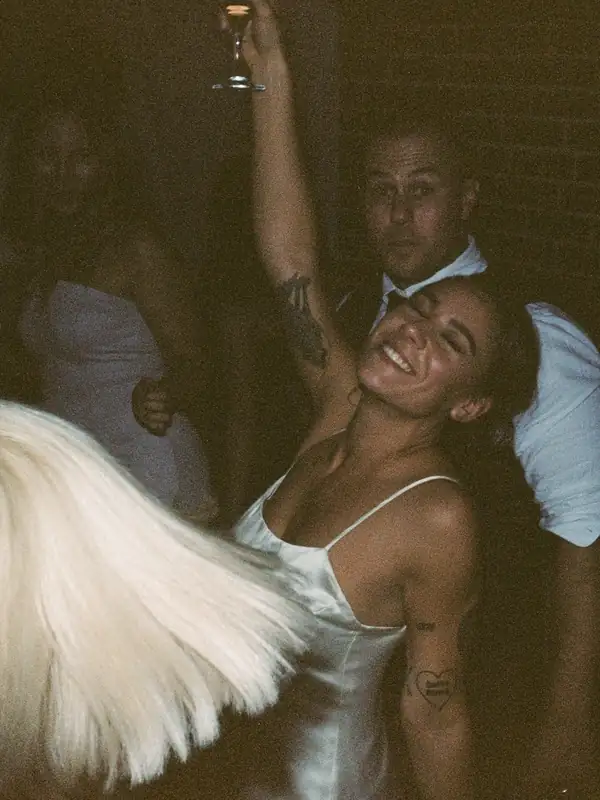
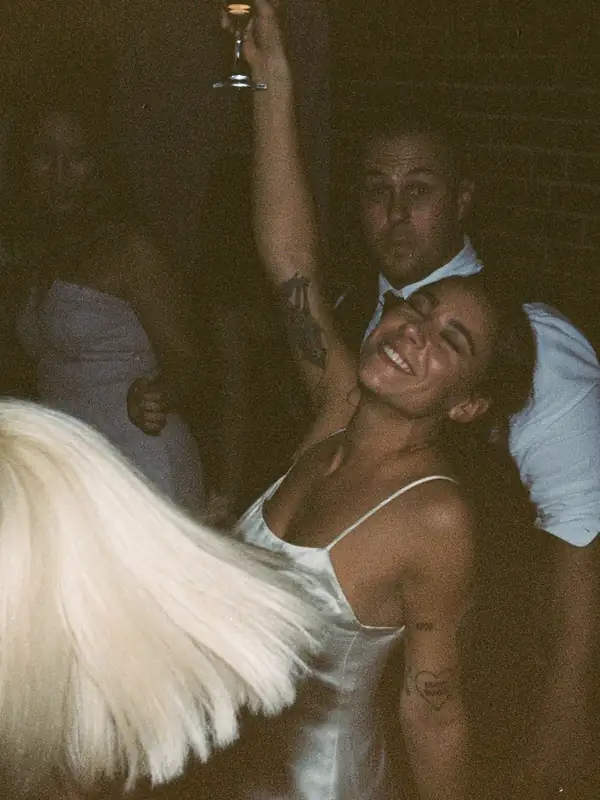
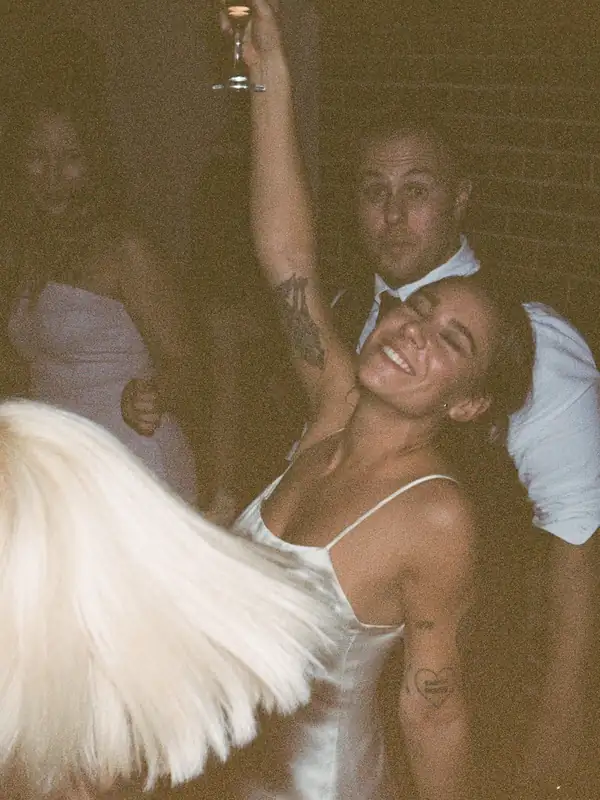
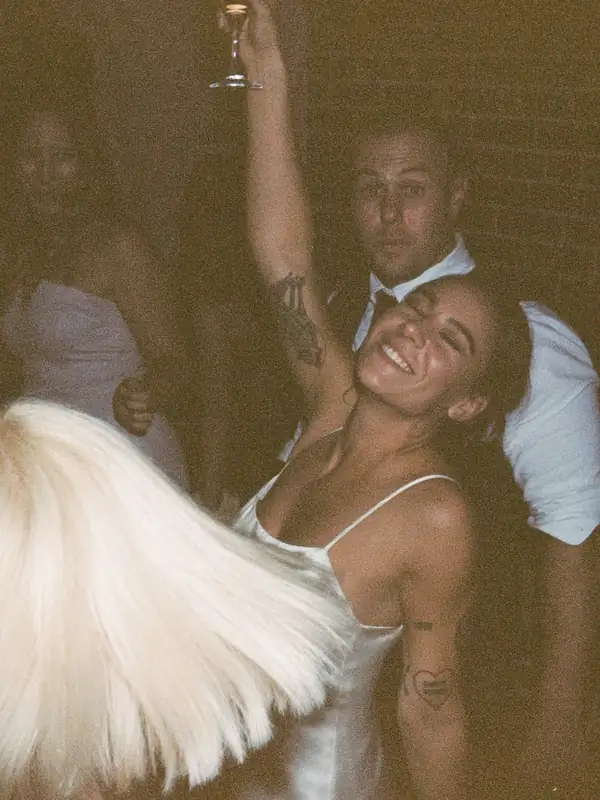
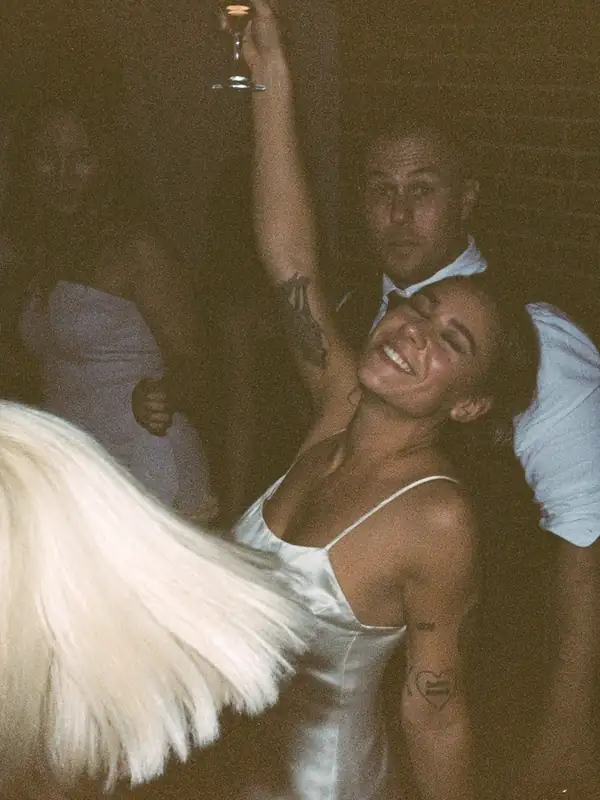
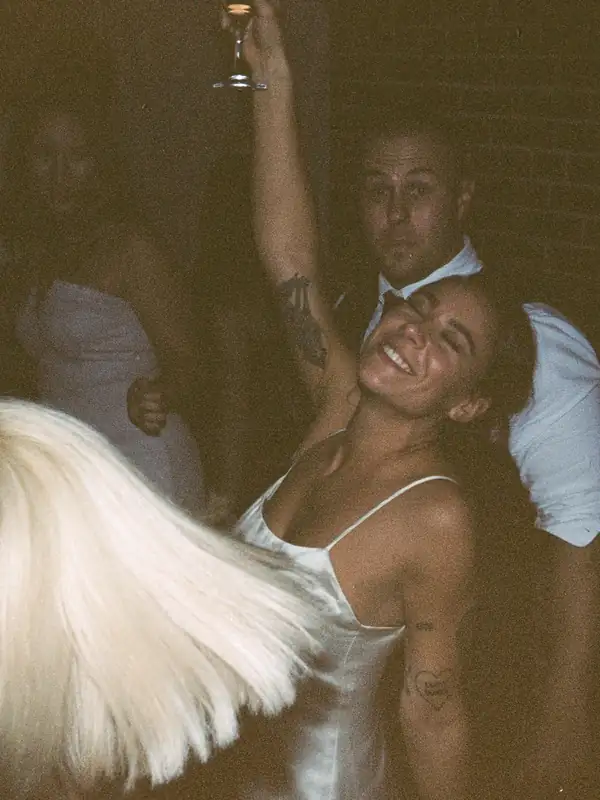
fourfold turns the four frames from a Nishika N8000, Nimslo 3D or any stereo film camera into a smooth wigglegram. Tap your subject and every frame locks to it.

Download fourfold on the App Store

Free to try · $4.99 once · No subscription

Nishika N8000 · 35mm

Exported from fourfold

Shot on film. Locked in fourfold.

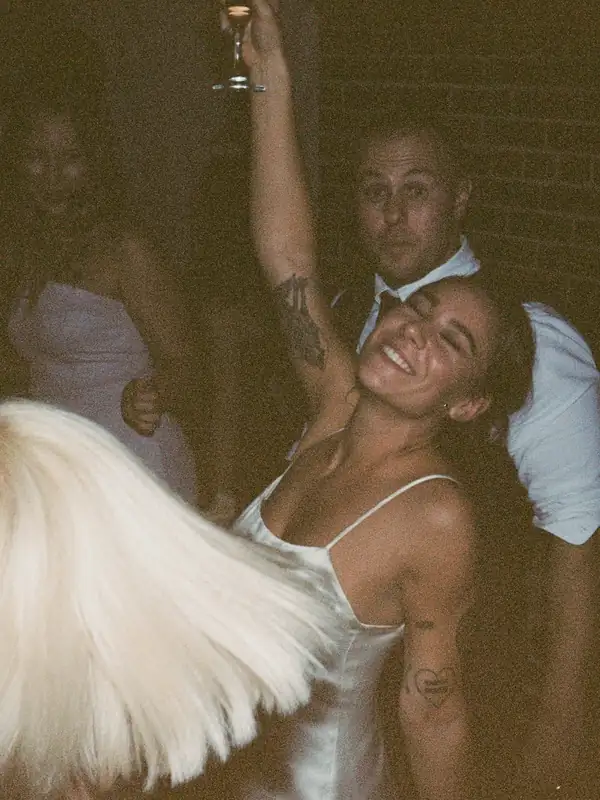
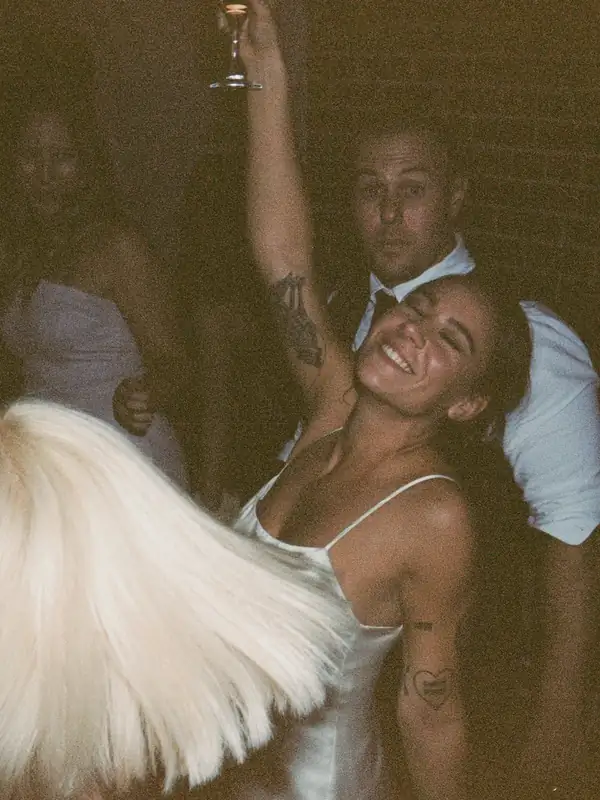
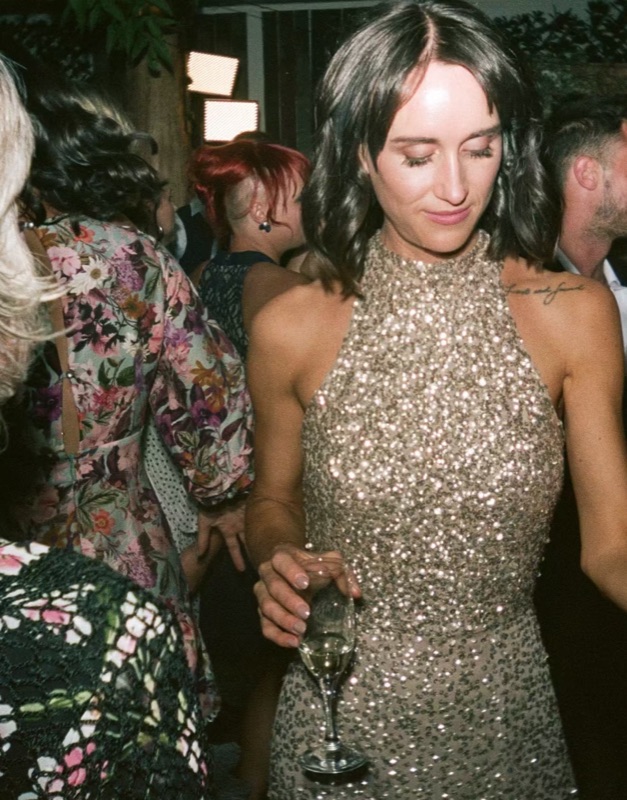
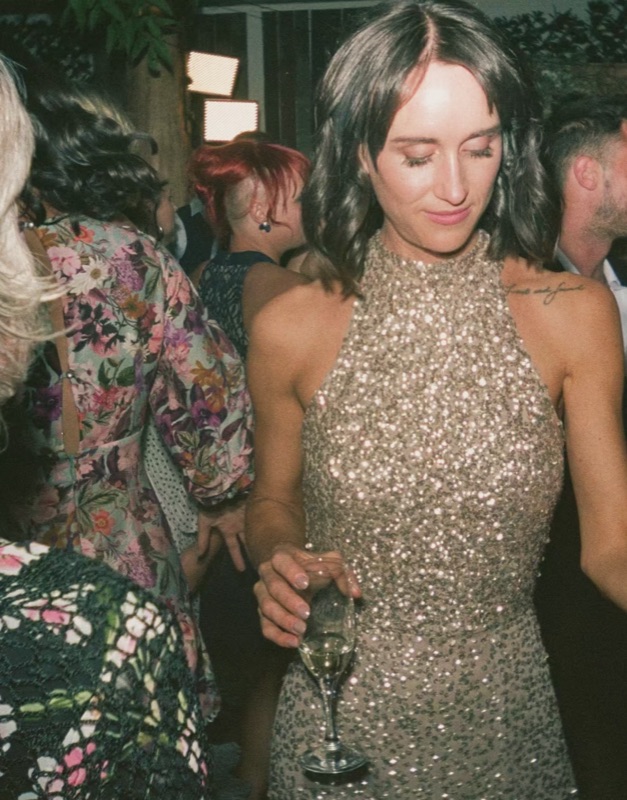
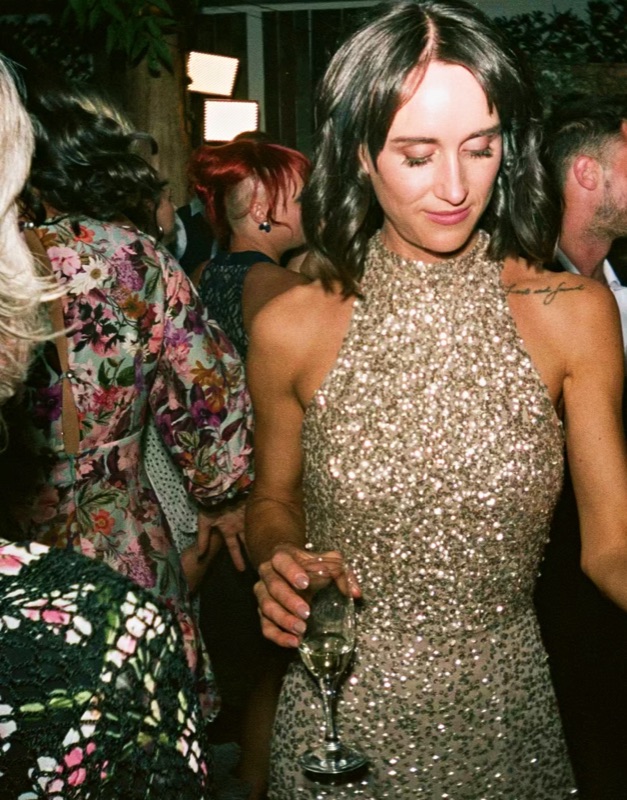
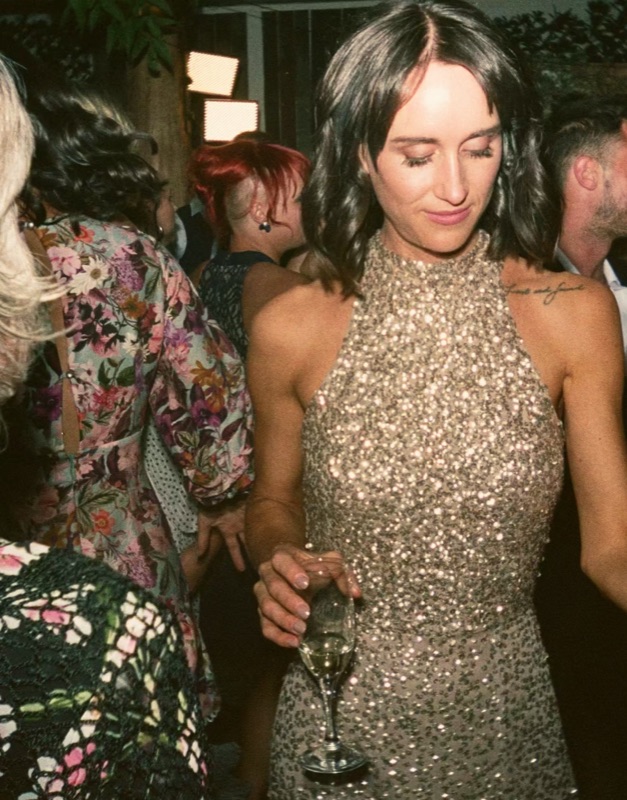
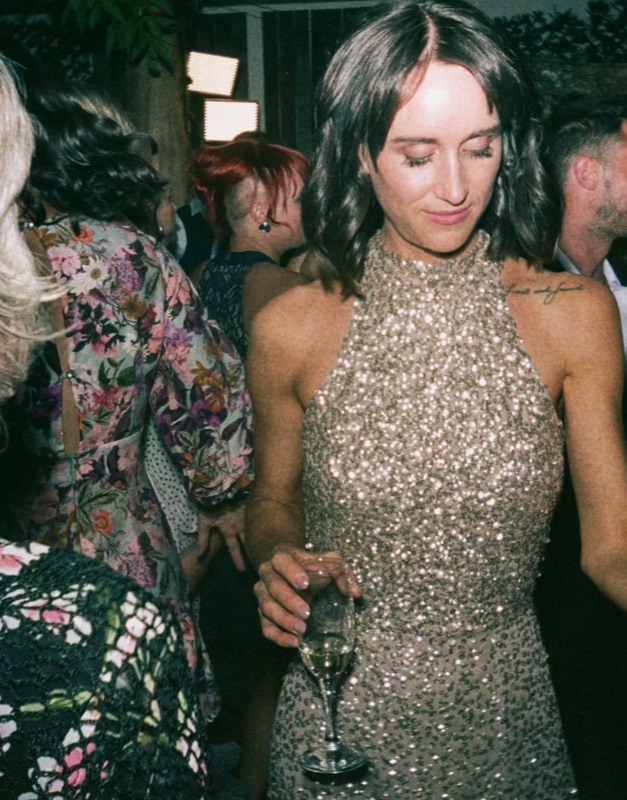
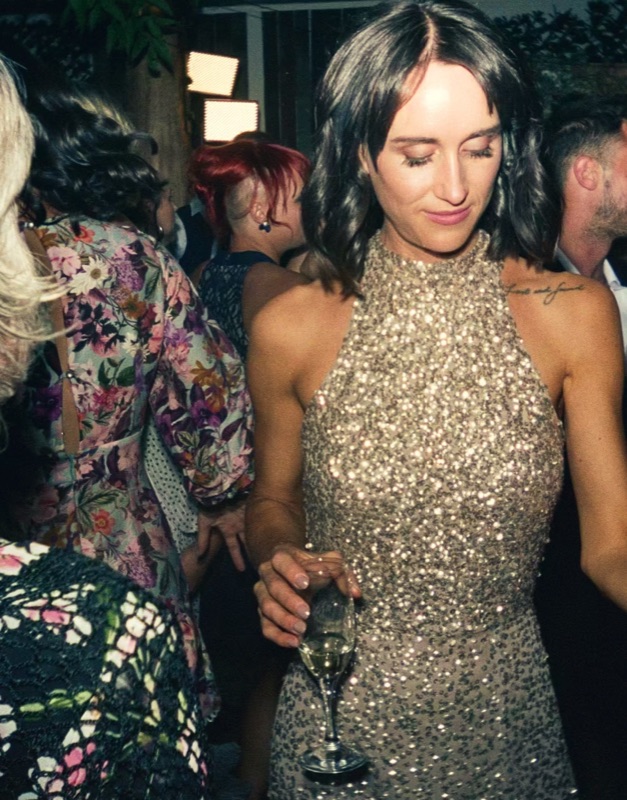
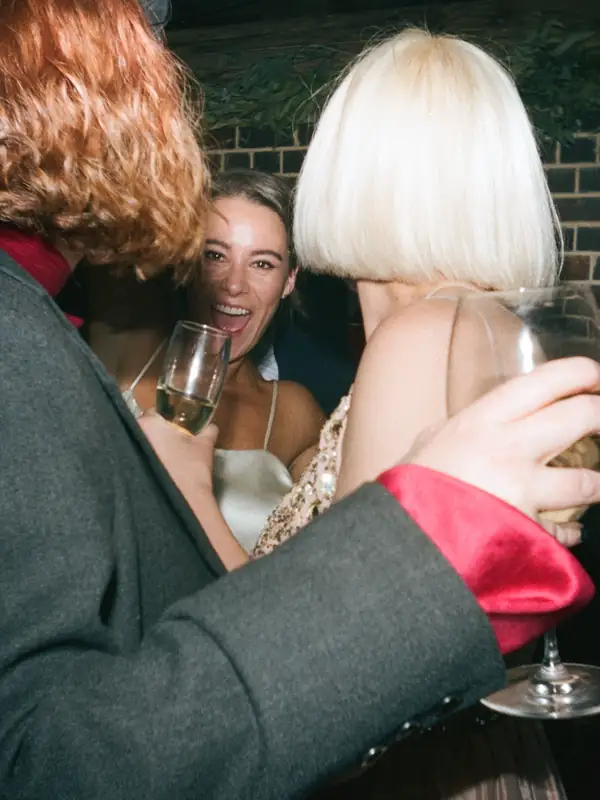
Real rolls, straight from the app. Each loop is four half-frames from one click of a four-lens camera, some with a film look on top.

Gold 200
Cross
Tungsten 800
Soft 160
Vivid 100
Mono 400
Sunset

Lock

Tap once. Locked.

A wiggle needs one point that holds still. Tap your subject and all four frames lock to it, so the loop turns around the thing you care about instead of jittering.

Frame from lens 1.
L1
Frame from lens 2.
L2
Frame from lens 3.
L3
Frame from lens 4.
L4

4 frames · 4 lens

Hold for a magnifier · 2-point for rotation

Auto Balance

Even out the colour. Then make it yours.

Four lenses rarely expose alike, and scans drift, so a raw wiggle pulses. Auto Balance matches colour and exposure across the frames. Dust that shows in only one frame gets healed. Drag across the picture to compare.

The raw frames playing without Auto Balance: the exposure jumps between lenses.
The same frames with Auto Balance: steady colour and exposure.
Raw scansAuto Balance

Balance · Strength 100

Then make it yours

15 film looks, light and colour, colour wheels, HSL, grain and borders. Every edit applies to all four frames at once.

The same frame with the Original look
Original
The same frame with the Soft 160 look
Soft 160
The same frame with the Vivid 100 look
Vivid 100
The same frame with the Gold 200 look
Gold 200
The same frame with the Tungsten 800 look
Tungsten 800
The same frame with the Cross look
Cross

How it works

Four steps, in lens order.

  1. 01 · In

    Bring in a roll.

    Photos, Files, a lab link, or your iPhone camera on a light pad. Every frame found and turned upright.

  2. 02 · Lock

    Tap your subject.

    All four frames line up on it, so the loop turns around what matters.

  3. 03 · Develop

    No more flicker.

    Auto Balance evens colour and exposure between lenses. Add a film look if you like.

  4. 04 · Out

    Export anything.

    GIF, 4K video, Live Photo, Stories, spatial photo, red-cyan 3D and lenticular prints.

Guide

How to make a wigglegram

A wigglegram, also called a wiggle GIF or wiggle stereoscopy, plays the frames from a stereo camera in a quick back-and-forth loop. Each lens saw the scene from a slightly different spot, so your eyes read depth with no glasses at all.

  1. Shoot with a multi-lens camera.

    Load 35mm film in a Nishika N8000, N9000, Nimslo 3D or another stereo camera. Put your subject a few metres away with something in front and something behind: layers of depth are what make the wiggle.

  2. Develop and scan.

    Ask the lab to scan every frame, in whatever layout they use. Or scan the negatives yourself on a light pad with your iPhone; fourfold inverts them.

  3. Import the roll.

    fourfold finds the frames, turns them upright and groups each set into a shot. Pairs, strips and whole sheets all work.

  4. Align the frames on one point.

    This step makes or breaks a wigglegram. Pick the point that should stay still, usually your subject's eyes, and tap it. Every frame shifts so that point lines up, and everything nearer and farther turns around it. Add a second point if the frames are rotated.

  5. Even out the colour.

    Lenses and scans never match exactly, and the loop flickers when they don't. Auto Balance matches colour and exposure across the frames.

  6. Choose the loop and export.

    Bounce (1-2-3-4-3-2) is the classic wiggle; around 8 frames a second feels lively. Export a GIF, a video or a Live Photo and send it to someone.

Four lenses.
One loop.

Download fourfold on the App Store

Free to try · $4.99 once · iPhone and iPad